












Pharmaceutical companies operate in one of the most highly regulated and competitive industries on Earth. From early clinical trials to market launch and global distribution, a drug’s name carries enormous weight — legally, commercially, and in the public consciousness.
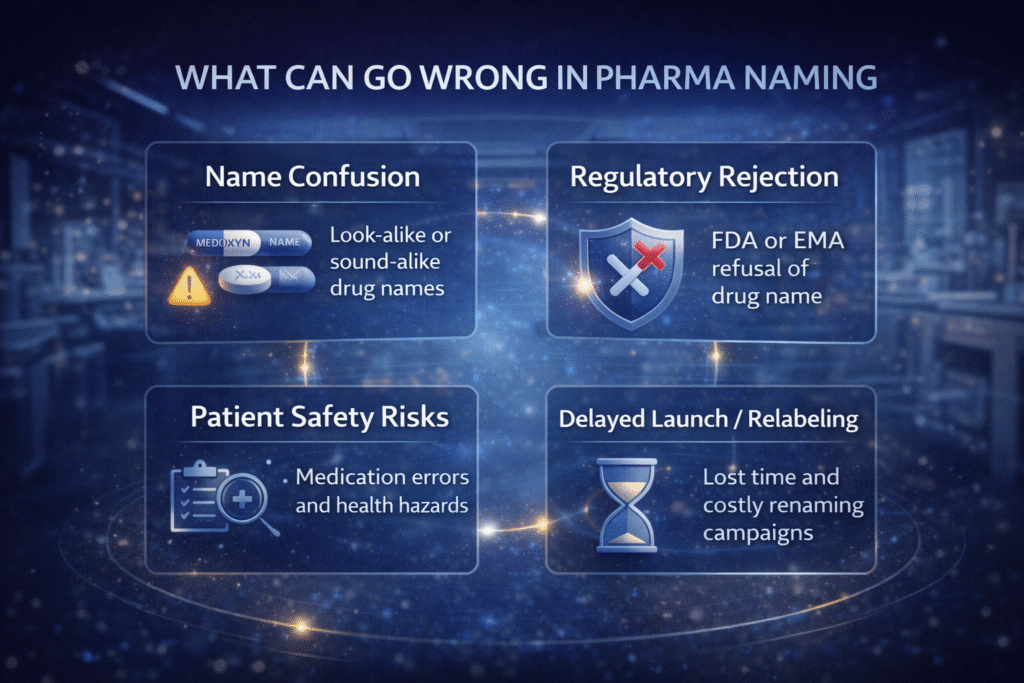
A pharmaceutical trademark is not just a brand asset. It signals efficacy, safety, and reliability to physicians, patients, regulators, and investors. Getting it wrong can mean:
- Confusion with existing drug names
- Regulatory refusals from FDA, EMA, or other agencies
- Adverse patient outcomes due to look-alike or sound-alike names
- Loss of exclusivity or brand dilution
That’s why strategic trademark planning is fundamentally intertwined with pharmaceutical success.
Why Traditional Trademark Thinking Isn’t Enough in Pharma
Unlike consumer brands, pharmaceutical trademarks must:
- Comply with stringent regulatory review in every major market
- Avoid phonetic or visual similarity to existing drug names
- Sometimes suggest (but do not describe) the main ingredient
- Be defensible across a spectrum of classes covering prescription drugs, OTC products, medical devices, and supplements
Regulatory authorities such as the FDA’s Division of Medication Error Prevention and Analysis (DMEPA) evaluate proposed drug names for look-alike/sound-alike issues to prevent prescribing errors. A rejection at this stage can delay or derail a launch — costing millions in lost revenue.
A trademark attorney with pharmaceutical experience anticipates and mitigates these risks.
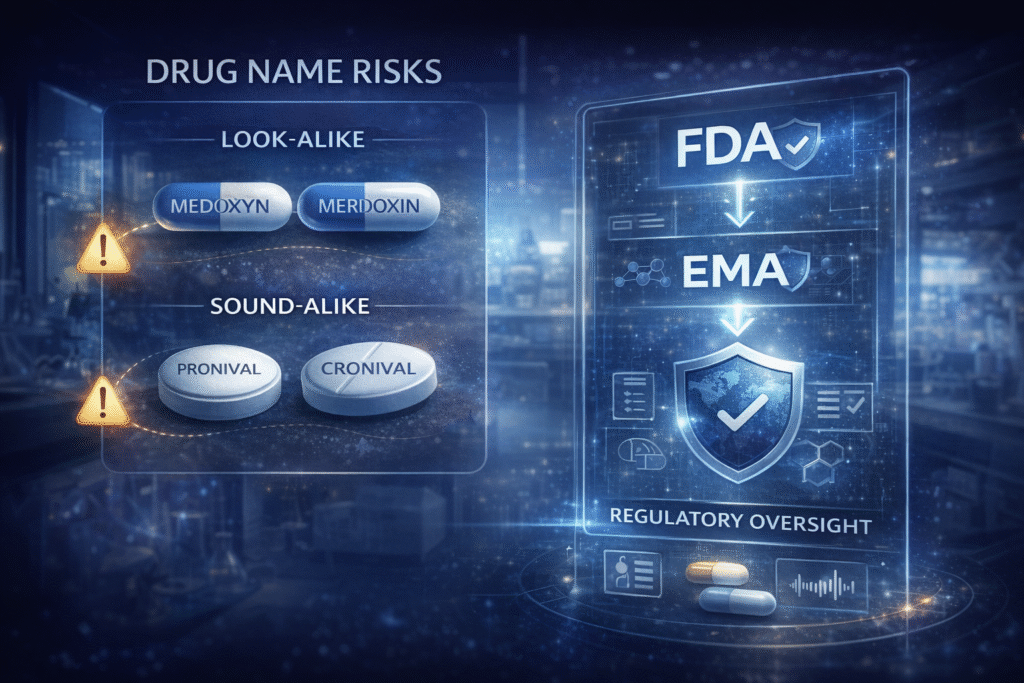
This is why a specialized trademark search tailored to pharmaceutical naming is essential before regulatory review and product launch.
Trademark Strategy for Pharma
Bonamark’s pharmaceutical trademark services are built for complex regulatory environments:
1. Name clearance studies — We conduct exhaustive searches tailored to pharmaceutical naming conventions, ensuring your proposed name avoids harmful similarities.
2. Global filings — Patents and trademarks must be aligned — protecting both the drug’s name and its manufacturing or delivery technologies across jurisdictions including the U.S., EU, UK, Japan, China, and beyond.
Coordinated trademark registration ensures these rights are secured in key markets before commercialization.
3. Risk mitigation advice — In addition to trademark law, our team understands regulatory expectations and how IP strategy intersects with FDA/EMA review.
This combination of legal and regulatory expertise protects your investment before it reaches critical approval milestones.
Protecting Patient Safety and Market Confidence
Pharmaceutical names have significant public health implications. A confusingly similar name in a new market can lead to prescribing errors, medication mix-ups, and regulatory scrutiny. A strong trademark:
- Enhances drug safety
- Reinforces brand credibility with healthcare professionals
- Reduces the risk of costly recalls or relabeling campaigns
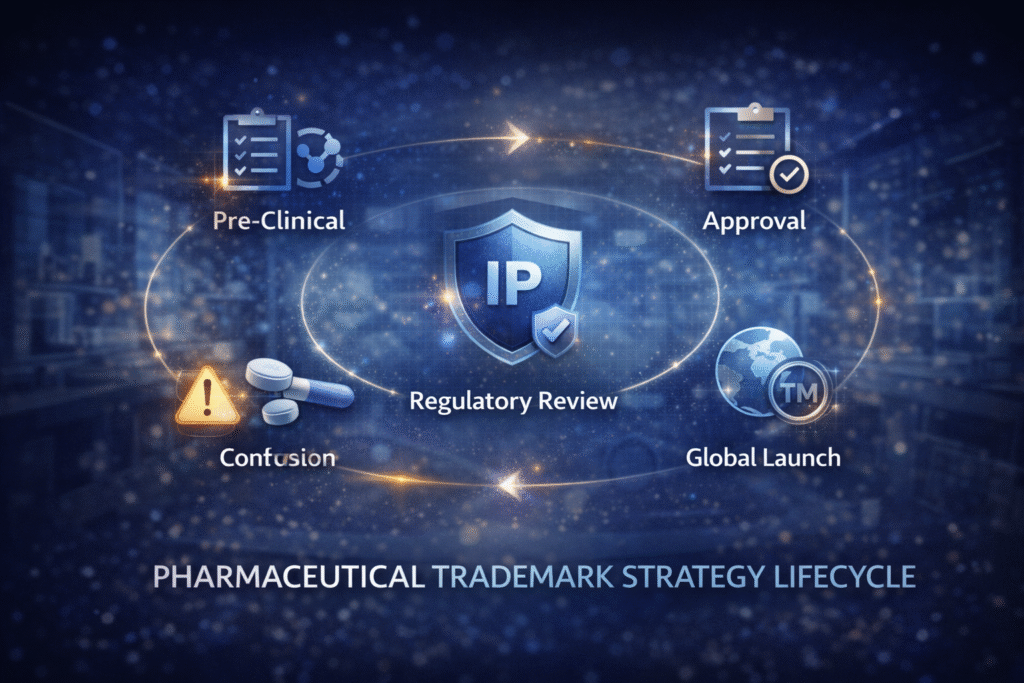
Bonamark structures trademark portfolios to align with product lifecycles and regulatory pathways — delivering peace of mind and competitive advantage.
A Strategic Partnership, Not Just a Filing
From pre-clinical branding to global commercialization, Bonamark helps pharmaceutical companies:
✔ Develop distinct, registerable drug names
✔ Navigate regulatory restrictions and naming policies
✔ Secure trademarks in key international markets
✔ Monitor and defend your brand against infringement through proactive trademark monitoring
In pharma, where trust is paramount, trademark protection is foundational — protecting patients and maximizing your brand’s commercial potential.
FAQ: Trademark Protection for SaaS Companies
Why are trademarks critical in the pharmaceutical industry?
In pharma, a drug name is tied to trust, safety, and credibility. Trademark protection helps prevent confusingly similar names, supports brand integrity, and reduces legal and commercial risk across markets.
How is pharmaceutical trademarking different from traditional brand trademarking?
Pharmaceutical names face stricter scrutiny. They must be highly distinctive, avoid look-alike or sound-alike conflicts, and align with regulatory review requirements in major markets.
Is a quick Google search enough before launching a SaaS brand?
LASA risks occur when drug names are visually or phonetically similar. These similarities can increase the likelihood of prescribing or dispensing errors and may trigger regulatory objections or delays.
Can regulators reject a drug name even if it’s legally available as a trademark?
Yes. A name can be available from a trademark perspective but still fail regulatory naming review due to patient safety concerns, similarity to existing names, or other compliance issues.
When should pharma companies start trademark planning for a new product name?
As early as possible—ideally during pre-clinical branding and well before launch. Early clearance and filing can reduce delays, naming conflicts, and costly last-minute changes.
Do pharma companies need international trademark filings from the start?
Often yes, especially when global commercialization is expected. Trademark rights are territorial, so protection should align with intended launch markets and regulatory pathways.
What does a strong pharmaceutical trademark strategy typically include?
It usually combines clearance studies tailored to pharma naming, coordinated filings across key jurisdictions, and risk mitigation aligned with regulatory expectations and product lifecycle stages.
Is trademark protection a one-time step or an ongoing process in pharma?
It’s ongoing. Companies may need monitoring, enforcement, portfolio maintenance, and renewals to protect brand value and prevent dilution or infringement over time.
- Pharmaceutical Trademark Protection
Trademark services in the United States